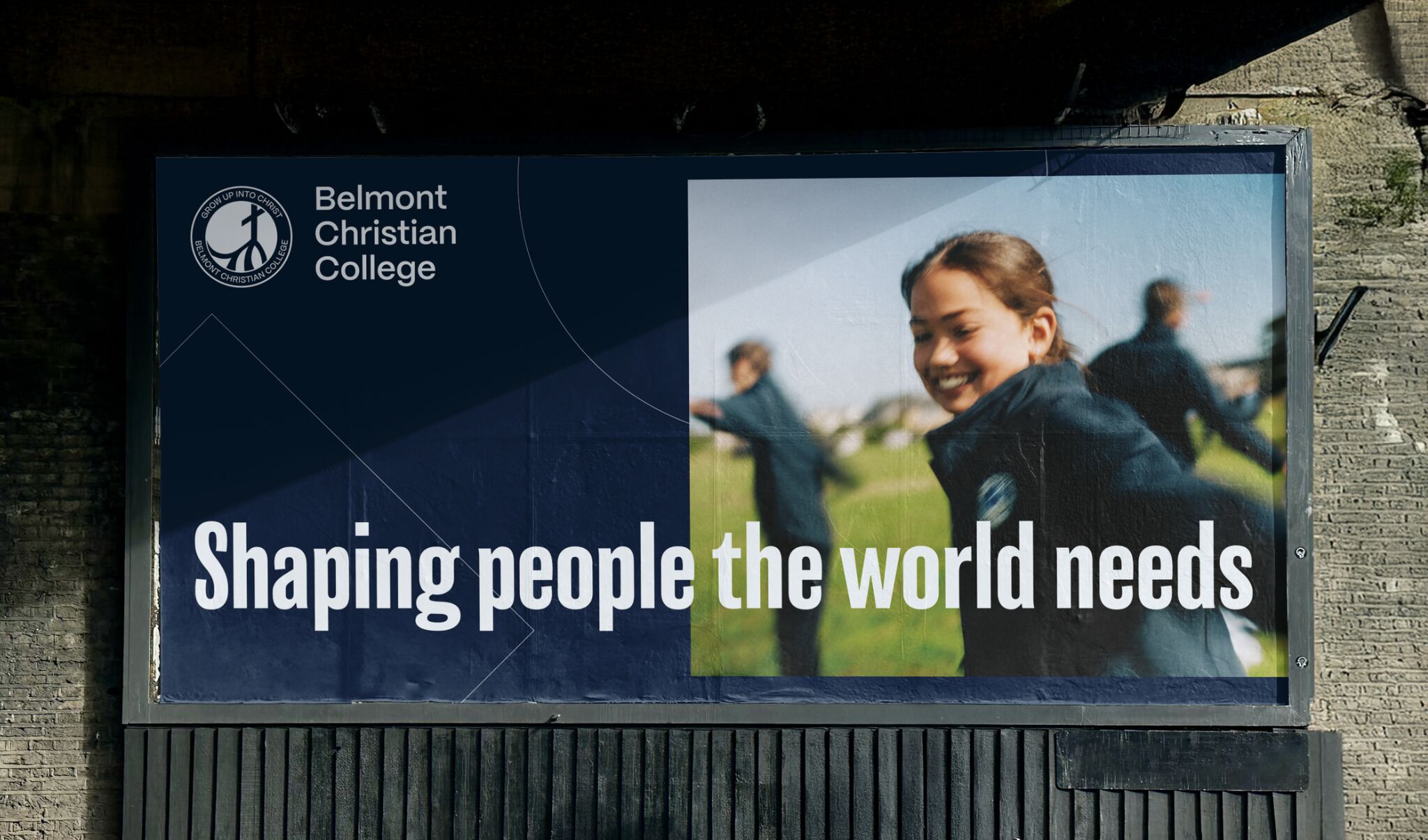
A school in the ACT first came to us feeling fuzzy about where their marketing was at. They wanted clarity about where to point it strategically. It’s one of the most common reasons schools come to Bolsta: we’ve been doing it one way for a long time, and… is that right?
What I tend to find is that it’s rarely just marketing. It’s something bigger: the whole enrolment ecosystem underneath it. So when a school arrives with something this open-ended, I almost always recommend starting with an audit. It gives us the lay of the land. It gets our team on site. And it lets us have real conversations with people, which is where the understanding actually comes from. You learn so much from sitting in a room having a chat.
The big finding from this audit was that nobody really knew the school’s story. There were misconceptions floating around, stories that weren’t reflective of who the school truly was, and the executive team had started to notice them. When I asked how they’d respond, how they’d make the positive case for the school to a parent, the answers were weak or framed defensively. The school was trying to solve a problem it didn’t know the answer to itself. They felt like they were losing their sense of who they were, and that it was being replaced by a less ‘true’ story.
This is what happens when a school doesn’t have a strong story: negative messaging fills the vacuum. A story is never not getting told. The only question is whether you want to be in charge of cultivating it, or whether you’re willing to hope the story being told out there is a good one.
Worth saying clearly: my position isn’t that a school should tell one static story. It’s that a school should create the conditions, the containers, through which a multitude of stories can spring forth.
Off the back of the audit findings, we moved into a brand strategy and story process. We sat with the executive team, ran workshops, and unearthed the things that felt strong to them, their core DNA. We also kept what was already theirs. The school’s existing vision, mission, and tagline stayed put; the strategy was written to honour them and the people who’d shaped them, and the messaging pillars came straight out of the tagline they already had. And we did something we don’t normally do, but which felt right here: we built answers to the misconceptions directly into the strategy. Never framed in the negative, and never competitive. Each one took the perceived weakness and made the positive case: this thing you’ve heard is actually a strength, and here’s why.
To make that concrete: one of the stories floating around was that the school was “stuck in the middle” between the public schools and the grammar schools. The strategy answered it in the positive: not stuck in the middle, the best of both worlds, strong academics in a values-driven environment with big-school opportunity and small-school care. Another said it was “just a small Christian school.” The answer: big enough to offer the opportunities, small enough to truly know and care for each student.