The Challenge: Brand Strategy vs. Capacity
Doing brand, messaging, and story strategy well takes time, money, and energy.
Ideally, it’s ground up work. Listening deeply to families, students, and staff, and integrating those perspectives with a school’s vision to create something unique and enduring.
But many schools simply do not have the capacity to take on that kind of project.
So where does that leave them?
Introducing School Archetypes
What I’ve found is that most schools already orient around a clear centre of gravity, even if they’ve never named it.
So I began articulating a set of what I call ‘school archetypes‘ as a way of giving smaller or resource constrained schools access to deep brand thinking more quickly, without skipping the thinking altogether.
Why school archetypes might just work better for families
I also suspect, although I don’t yet have the data to prove it, that these archetypes play a meaningful role in how families choose schools, particularly early in their journey. Humans tend to respond to categories first, which is exactly what these school archetypes are built to do.
When resources are constrained, archetypes allow schools to establish the foundations of their story quickly. They are strong enough that if you stopped there, you would still be miles ahead of having no shared narrative at all.
I saw this clearly in the first workshop where I introduced the idea. There was immediate recognition: ‘yep, that’s us in a nutshell’, which allowed the entire project to move forward really efficiently.
The real value, though, is what can be layered on top of that base. The nuance, detail, and texture that comes from deeper, ground up work once there is clarity about the centre – perfect for resource-constrained schools.
School Archetypes in action: A case study
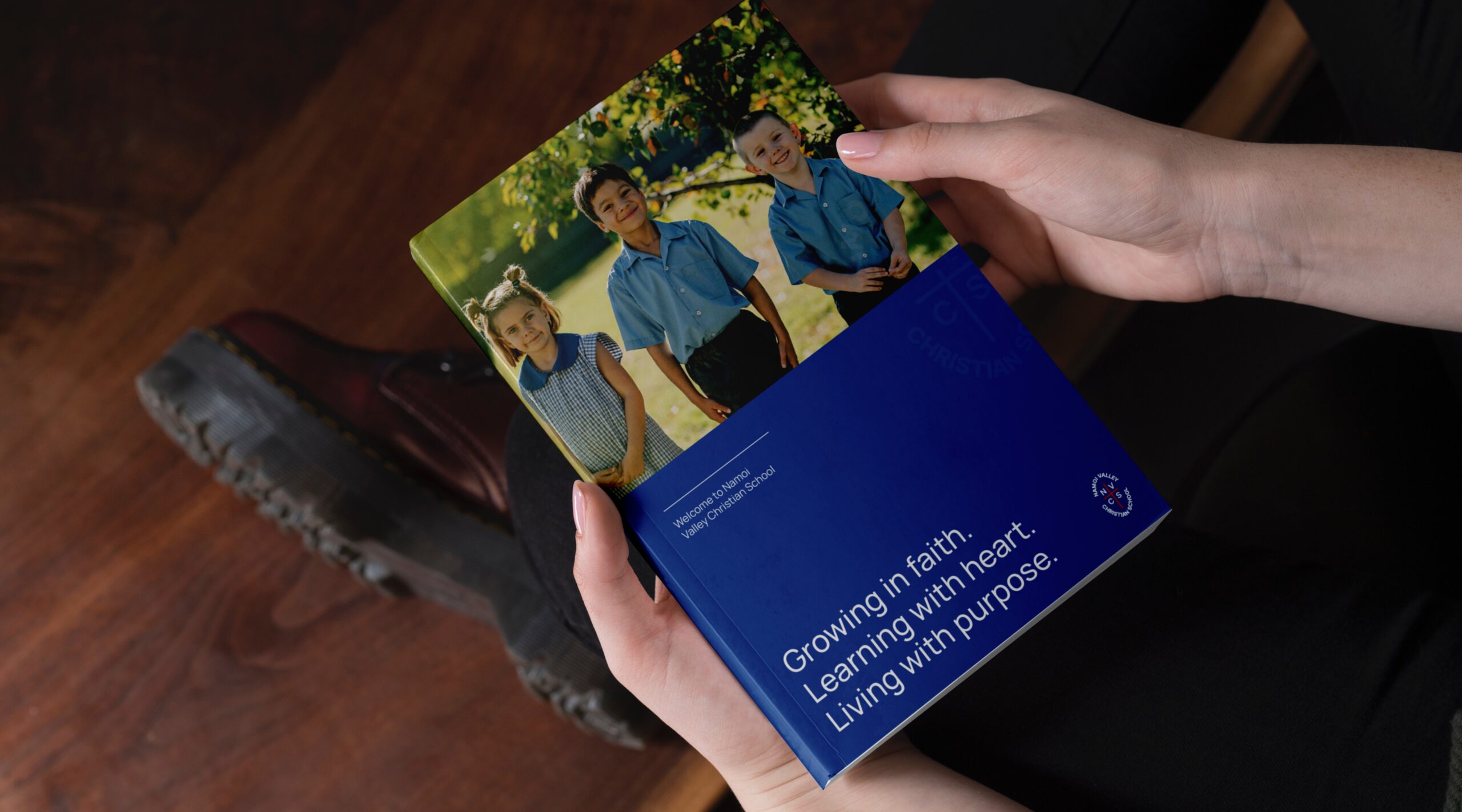
Bolsta worked with Namoi Valley Christian School on a number of projects. At the centre was their first ever prospectus.
They had no formal brand strategy, limited budget, limited bandwidth, and a very real need to produce something useful, quickly.
I went and spent some time on-site with NVCS, and it was clearly a really special place. In rural NSW, you could see how integral the school was to the community. Everyone I spoke with had a great story to tell about the school.
The challenge was that their story had never been articulated in a way others could use.
Given the resource constraints, we made a deliberate decision not to run a long discovery process. At the same time, we still needed the right building blocks in place. A simple messaging strategy to bring consistency and clarity to the stories being told.
So, we utilised the ‘school archetypes’ I spoke about in my last post, and ran a focused workshop with the principal and board chair. Using the school archetypes, we landed on a winner: ‘The Local Heart’.
From that foundation, we built a simple messaging pyramid, that quickly identified some key messaging pillars, unique approaches and aspects that families and staff loved about the school.
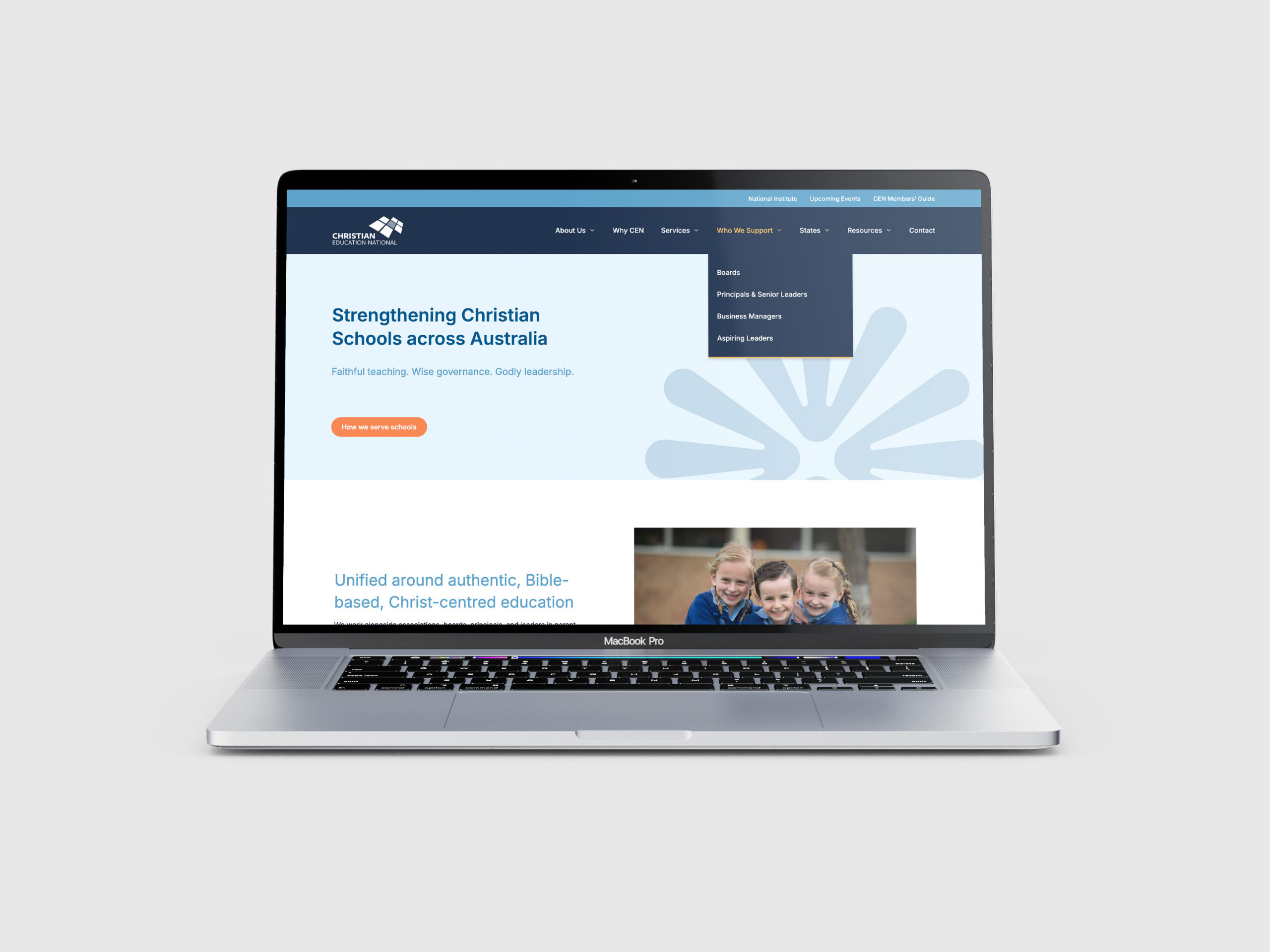
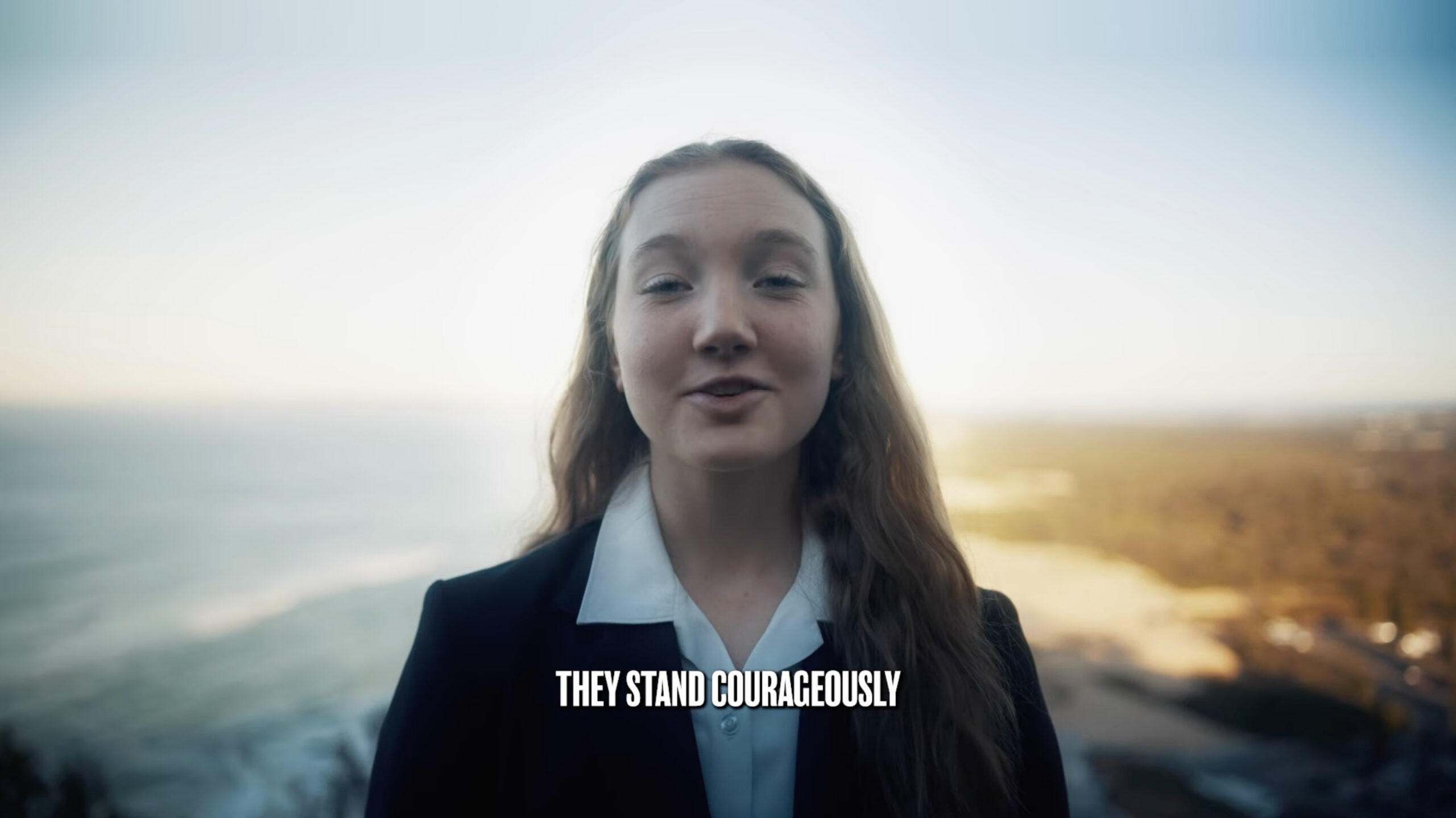
By the end of the session, NVCS had a fit for purpose messaging strategy. That framework then dictated the structure of the prospectus, the direction of the website refresh, and even the approach to photography.
Nothing was guessed or made up – it was all informed by strategy. With the right sequencing, the flow on benefits to all the other pieces of work was huge.